Your heart is pounding. Your chest feels tight. You cannot catch your breath. Everything around you seems unreal, and you are convinced something terrible is about to happen. If this sounds familiar, you may be experiencing panic attacks.
Panic attacks are sudden surges of intense fear or discomfort that peak within minutes. They can come about without warning, sometimes even waking you from sleep. The physical sensations can be so overwhelming that many people genuinely believe they are having a heart attack or dying.
If this resonates with you, you are far from alone in this experience. According to Aware’s 2024 national survey, three in four Irish adults have experienced anxiety at some point in their lives, with 17% having a diagnosed anxiety disorder. For some, anxiety manifests as persistent worry. For others, it arrives as sudden, frightening panic attacks that disrupt daily life.
What Happens During a Panic Attack
A panic attack involves your body’s fight or flight response activating when there is no actual danger present. Your nervous system floods your body with adrenaline, preparing you to face a threat that does not exist. The result is a cascade of intense physical sensations that can feel genuinely frightening.
Common experiences during a panic attack include a racing or pounding heart, shortness of breath, chest tightness or pain, dizziness or lightheadedness, trembling or shaking, sweating, tingling in your hands or feet, nausea, and a feeling that things around you are unreal. Many people also experience an overwhelming fear that they might die, lose control or go mad.
Panic attacks typically reach their peak intensity within ten minutes and usually subside within twenty to thirty minutes. They are not dangerous, even though they feel terrifying. Your body cannot sustain this level of arousal indefinitely, and the attack will pass.
Why Panic Attacks Happen
First panic attacks rarely occur completely out of the blue. They tend to emerge during periods when you are already under significant stress, exhausted, unwell or emotionally stretched thin. Your first attack is unlikely to happen when you are genuinely relaxed and feeling secure.
Once you have experienced a panic attack, a difficult cycle can develop. The fear of having another attack creates anxiety, which increases physical tension and hypervigilance, which in turn makes another attack more likely. You might start avoiding situations where panic has occurred, or places where you fear escape would be difficult or help unavailable.
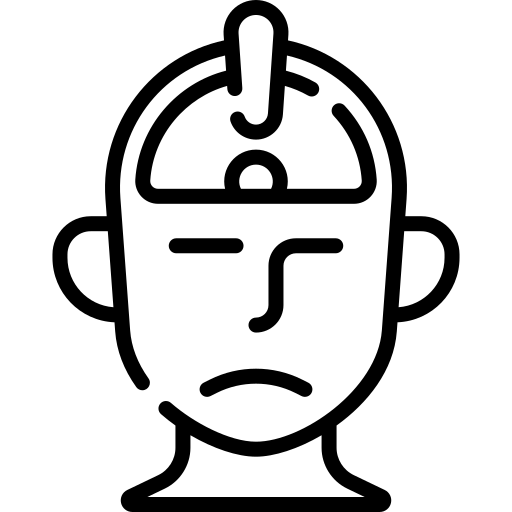
When panic attacks become frequent, or when anticipating the next attack begins to dominate your thoughts and restrict your life, this is known as panic disorder. Some people also develop agoraphobia, an intense fear of being in situations where escape might be difficult or embarrassing.
Left unaddressed, this can gradually shrink your world, making it harder to work, socialise, or even leave your home.
How Counselling Helps with Panic Attacks
The good news is that panic attacks respond very well to psychological treatment. Cognitive Behavioural Therapy (CBT) is considered the first-line treatment for panic disorder, with research showing significant improvement typically within 12 to 15 sessions. Long-term studies have found that these benefits are maintained years and even decades after treatment ends.
Therapy for panic attacks works by helping you understand what is actually happening in your body during an attack. When you recognise that the sensations, however unpleasant, are not dangerous, their power over you begins to diminish. You learn to respond differently to the first signs of panic, rather than spiralling into catastrophic thinking that intensifies the experience.
Your therapist will also help you identify and challenge the thoughts that fuel your panic. Many people with panic attacks have developed beliefs about what the symptoms mean, such as that a racing heart signals an imminent heart attack, or that feeling faint means you will collapse. These interpretations, while understandable, are not accurate, and therapy helps you develop more realistic perspectives.
Gradually, you will learn practical techniques for managing panic symptoms, including breathing exercises and grounding strategies. You may also work on gradually facing situations you have been avoiding, rebuilding your confidence and reclaiming parts of your life that panic had taken from you.
Frequently Asked Questions
Can panic attacks cause lasting harm?
No. Although panic attacks feel terrifying, they do not cause physical damage. The symptoms you experience are your body’s normal stress response working as designed. You will not die, faint, have a heart attack or lose your mind during a panic attack, even though it may feel that way.
How many sessions will I need?
Most people see significant improvement within 12 to 15 sessions of CBT, though this varies depending on your individual circumstances. Some people benefit from a shorter course of therapy, while others prefer ongoing support. Your therapist will work with you to determine what suits your needs.
Should I see my GP as well?
It can be helpful to discuss your symptoms with your GP, particularly if you are experiencing chest pain or other physical symptoms for the first time. Your GP can rule out any underlying medical conditions and discuss whether medication might be appropriate alongside therapy. However, you do not need a GP referral to start counselling.
What if I have a panic attack during a session?
This sometimes happens, and it is absolutely fine. Your therapist is trained to support you through panic attacks and can help you apply coping techniques in real time. Having a panic attack in a safe, supportive environment can actually be a valuable learning experience.
Will the panic attacks come back after therapy?
Research shows that the benefits of therapy for panic attacks are typically long lasting. You may experience occasional panic symptoms in the future, particularly during stressful periods, but therapy equips you with the skills to manage them effectively. Most people find that panic no longer controls their lives after treatment.
Can I attend sessions online?
Yes. We offer both in-person appointments at our Dublin and Galway locations and online therapy sessions. Research shows that online CBT for panic disorder is just as effective as face-to-face treatment, making it a good option if you find it difficult to attend in person or prefer the comfort of your own home.
Taking the First Step
Living with panic attacks can feel isolating and exhausting. You might have stopped doing things you used to enjoy, or feel embarrassed about symptoms that seem to come from nowhere. But panic attacks are treatable, and you do not have to keep white-knuckling your way through them.
Our therapists at Mind and Body Works have extensive experience helping people overcome panic attacks and reclaim their lives. Whether you are experiencing your first attacks or have been struggling for years, we can help you understand what is happening and develop effective strategies for managing your symptoms.