Why Is It So Hard for Irish Adults to Talk About Sex?
If you’ve ever felt your stomach tighten at the thought of bringing up sex with a partner, a friend, or even a doctor, you’re not alone, and you’re not broken!
Irish adults are not awkward about sex for no reason, many were raised in homes, schools and communities where sex was hidden, moralised, joked about, or simply avoided altogether. It was shaped by the Catholic Church that treated sex as a sin and sent unmarried, pregnant women to laundries, other institutions or abroad, by single-sex schools that offered no real practice at relating to the opposite sex, and by sex education that stopped at biology and never got near desire, consent or pleasure.
So how do you talk about something you were never really taught to name?
“No voice given”: what shows up in therapy
In clinical practice, this pattern shows up constantly; most clients find it very hard to open up around the topic of sex and intimacy, and sometimes even about the emotional aspects of their relationships. There is often no voice given for them to be able to communicate.
This isn’t simple shyness; it’s a lack of language, permission, and practice; three things that are hard to build later in life if you never had them to begin with.
How people actually learned about sex, or didn’t
One simple but revealing question tends to open things up in a therapy room: how did you learn about sex? The answers tend to fall into a familiar handful of categories: parent talk, school, friends, books, the internet, porn, or simply by chance.
For many, none of these sources gave them a real foundation. The topic was considered taboo or kept behind closed doors, so people didn’t get the basic grounding they needed and the silence didn’t stop at the family front door. Even clients who couldn’t talk to their parents often found it just as hard to talk to friends and partners about sex.
Catholic shame and conservative values
Ireland’s religious and cultural history looms large here. Many people simply don’t have the language to express things in sexual terms, and clients can struggle even to say the word “sex” out loud, something a good therapist will gently work to change by steering questions to encourage clients to use that language in sessions.
The Catholic Church’s influence on Irish attitudes to sex was considerable. It no longer holds the same power or respect it once did, particularly among younger generations, but its influence can still be felt through culture and intergenerational patterns. Strict rules, no sex before marriage, no contraception, no divorce, no abortion, shaped a culture where those views, even as they fade, can still leave people carrying shame, guilt, fear and embarrassment. Consent and boundaries became blurred too, since sex itself was often treated as sinful or wrong, leaving people without any voice to express their thoughts and feelings, whether the experience was consensual or not.
This isn’t a story about one institution ruining everyone’s sex life. It’s a more complicated inheritance: a sexual culture built on silence, sin, morality and fear, whose emotional residue can linger long after the rules themselves have relaxed. The power the Church held meant the stigma around sex became deeply embedded, to the point that women who became pregnant outside marriage could be sent away to mother and baby homes, Magdalene laundries or abroad.
Single-sex schools, gender roles and the education gap
School was supposed to fill in the gaps left at home. For many, it didn’t.
Formal Relationships and Sexual Education was only introduced nationally in the 1990s, so many adults received little or no sex education at school.
Single-sex education affected social development by removing early, ordinary interaction with the opposite sex, the everyday practice of communicating and relating that helps people feel less at sea later on. Experiences varied, with some people attending mixed schools and many others attending single-sex convent or religious schools. There was also little to no room for other sexualities; being gay, lesbian, bisexual, pansexual or transgender simply wasn’t part of the conversation, since it ran against the religious and social norms of the time.
Ireland has changed considerably. Pride is now highly visible, the LGBTQIA+ community has a much stronger public presence, and Leo Varadkar became the country’s first openly gay Taoiseach in 2017. But greater visibility does not mean that older attitudes have disappeared everywhere, or that everyone feels equally able to speak openly about sex, sexuality and identity.
Ireland can also feel like a small world where everybody knows everybody, and privacy is not always easy. Irish people may be natural talkers and communicators, but fear of gossip can make intimate conversations feel risky. Attitudes also differ between families, generations and communities; while Ireland has become more liberal, particularly in cities, traditional religious and social expectations can remain deeply embedded elsewhere. These influences can condition how people think and act and make inherited rules difficult to shake off.
Boarding schools add another layer, shaping people in ways that include instances of sexual abuse that went unnoticed or, if noticed, ignored. Faith-run schools brought their own additional rules on top, further discouraging any open discussion of sex and intimacy.
Where curricula did engage with sex at all, they tended to stop at biology, the mechanics of reproduction, while contraception and STIs went largely unexplored.
When parents didn’t step in either, many young people were left to figure everything out alone. Porn often filled that vacuum, with many starting young, keeping it hidden, and, without any other model to compare it to, absorbing unhealthy attitudes toward sex and intimacy along the way.
What adults wish they had been taught
Ask adults what they wish they’d learned earlier, and the list is long: contraception, STIs, sexuality and sexual orientation, and sexual difficulties like vaginismus, dyspareunia, erectile dysfunction, performance anxiety, anorgasmia and rapid ejaculation. Even menstruation and menopause still aren’t discussed freely or openly.
Anything outside “vanilla” sex tends to be frowned upon, too. BDSM, kink, fetish and fantasy, open relationships, consensual non-monogamy and polyamory are all areas people avoid if they fall outside society’s norms and expectations. The gap isn’t just about missing facts, it’s about the sheer breadth of ordinary human experience: bodies, desire, pain, pleasure, difference and change, that so many people were simply never given permission to talk about, let alone ask questions about.
Learning to talk about it
Silence like this doesn’t stay quiet forever. It tends to surface in adult relationships as avoidance, shame, anxiety, mismatched desire, difficulty naming boundaries, fear of judgement, secrecy, pain, or a sense of feeling broken.
The reframe that helps most is a simple one: talking about sex, intimacy and relationships can, and should, become as ordinary as talking about the weather, without fear, shame, guilt or embarrassment. That confidence builds gradually, through conversation, the right questions, and a bit of reading, listening and watching of resources along the way. The same rule applies here as anywhere else: nobody would assume to know what someone wants to eat without asking, so nobody should assume what a person wants, or doesn’t want, around sex and intimacy either.
Psychosexual therapy exists precisely for that gap, a safe space to build the language so many of us were never given, until those conversations start to feel less like confession, and more like small talk.
Written with psychosexual and relationship psychotherapist Amanda Watson
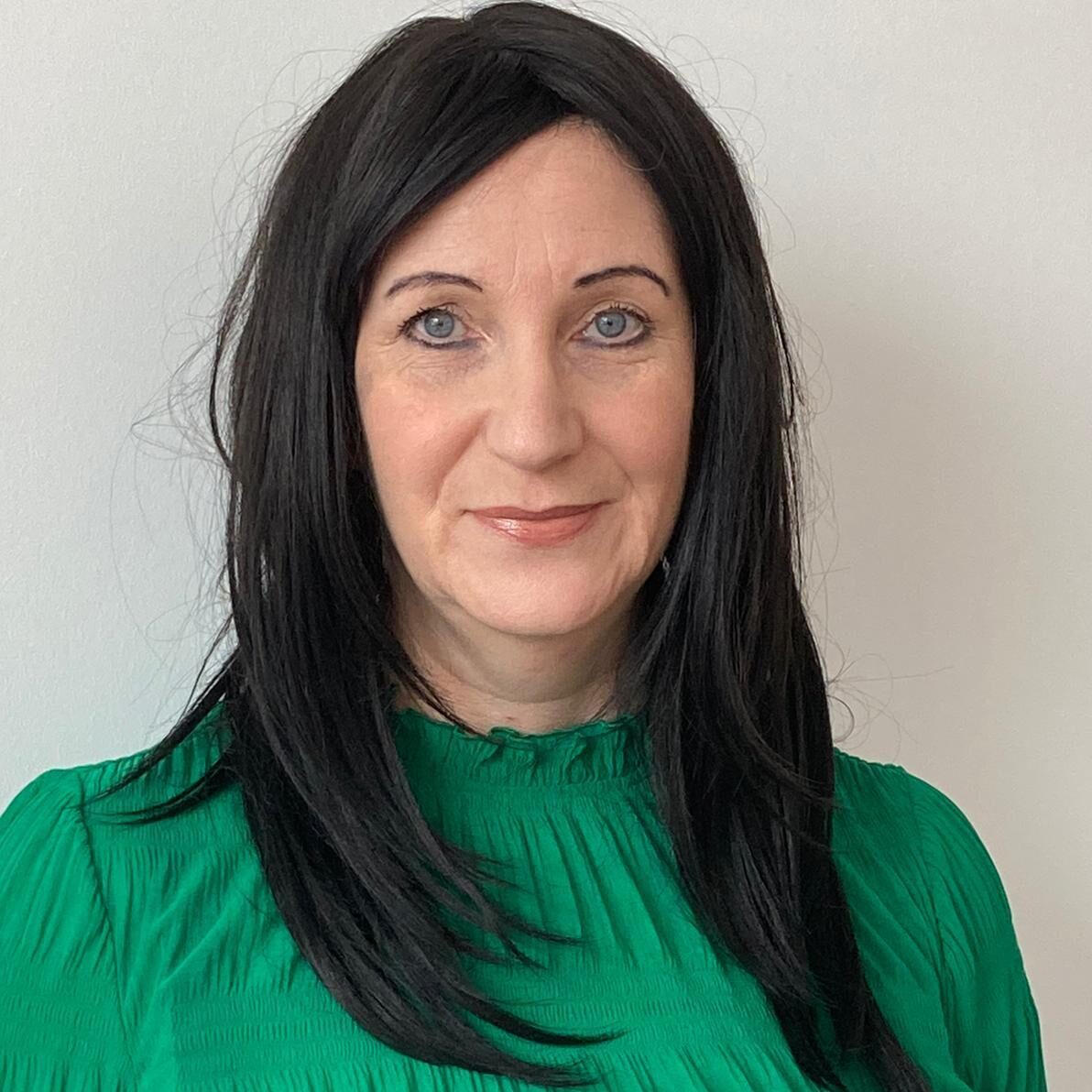
Amanda is an integrative psychotherapist and COSRT-registered psychosexual and relationship specialist, supporting individuals, couples and families with intimacy, sexuality and relationship challenges. She offers a safe, non-judgemental space rooted in warmth, insight and 25 years’ experience in education and clinical practice.