
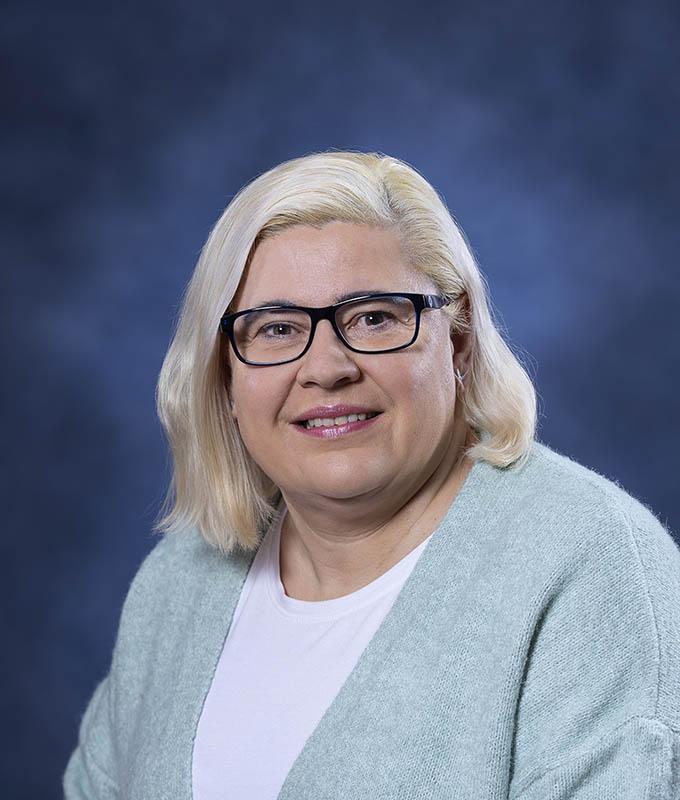
Angéla’s fee is €85 per session
Creative Psychotherapist and Play Therapist
Angéla is a creative psychotherapist and play therapist with more than 14 years of experience working with children in community-based and private therapeutic settings. She provides therapeutic support to children, adolescents, and young adults, working collaboratively with parents, caregivers, and, where appropriate, other family members as part of the therapeutic process. Her approach is humanistic, integrative, trauma-informed, developmentally attuned and relational.
Client Age Groups
Angéla works therapeutically with:
- Children aged 4–11
- Adolescents aged 12–19
- Young adults aged 20–23
- Parents and caregivers, within the context of supporting a child or adolescent
- Other family members, where their involvement is clinically appropriate and agreed upon as part of the therapeutic process
Counselling Experience and Areas of Interest
- Emotional and behavioural regulation difficulties
- Anxiety and persistent worry
- Obsessive-compulsive experiences or difficulties associated with an existing diagnosis of OCD
- Depression, low mood and reduced motivation
- Low self-esteem and difficulties with confidence
- Trauma-related experiences and attachment concerns
- Developmental and communication differences
- ADHD and other experiences of neurodivergence
- Dyslexia, dyspraxia and associated emotional, relational or educational challenges
- Emotional and relational difficulties experienced alongside an existing diagnosis of bipolar disorder
- Academic pressure and school-related stress
- Difficulties attending or returning to school
- Bullying and the rebuilding of confidence, identity and trust
- Complex family circumstances, separation and significant life transitions
- Psychological responses to illness, medical treatment or hospitalisation
- Peer and relational difficulties
- Identity exploration, belonging and self-expression
- LGBTQ+ experiences and identity-related concerns
- Self-harm concerns and complex emotional distress, where support can be offered safely and within her professional competence
Angéla seeks to understand the whole person within their developmental, emotional, relational, sensory, family, educational and social context.
Angéla works from a humanistic and integrative therapeutic model. Her work aims to support emotional awareness, self-understanding, regulation, resilience, and relational security through creative, developmentally appropriate methods.
Depending on the client’s age, needs and preferences, or what emerges within the therapeutic relationship, sessions may include: Talking therapy and reflective dialogue, Therapeutic and symbolic play, Creative psychotherapy, Sandtray work, Art and image-making, Sensory-based activities, Imagery and metaphor, Movement and embodied expression, Narrative exploration, Emotional-regulation and grounding practices, Attachment-focused and relational work, Trauma-informed psychoeducation, CBT and practical interventions, Family therapy, etc.
Therapeutic Work with Children
In the play therapy room, Angéla offers children a nurturing, contained, and developmentally appropriate therapeutic environment where they can communicate through play, creativity, and symbolic expression. Through the therapeutic relationship, children are offered opportunities to develop greater emotional understanding, regulation, connection and self-expression. Therapeutic outcomes vary based on each child’s needs, circumstances, and engagement with the process.
Therapeutic Work with Adolescents
Angéla’s work with adolescents is adapted to the developmental needs of early, middle and late adolescence. Sessions may be structured or open-ended, depending on the adolescent’s developmental stage, communication style, preferences and therapeutic needs.
Angéla works with young adults up to age 23, recognising that this developmental period may involve significant personal, relational, educational, and occupational transitions. Young adults may choose primarily verbal psychotherapy or may integrate creative, symbolic and embodied approaches into their sessions. The therapeutic process remains collaborative and responsive to each client’s needs, goals and preferred ways of working.
Work with Parents, Caregivers and Families
Angéla recognises that a child or young person’s emotional well-being develops within relationships and can be influenced by their wider family environment. She works collaboratively with parents, caregivers and, where appropriate, other family members as part of the child or young person’s therapeutic process.
Where appropriate, Angéla integrates trauma-informed and developmentally appropriate psychoeducation to help parents and caregivers understand and support their child’s emotional and relational needs.
Structured Therapeutic Process
- Initial Parent Intake Session or Sessions. The process generally begins with one to three parent intake sessions.
- Child or Adolescent Therapy Sessions. 3. Parent Consultation and Review Sessions.
- Final Parent Consultation and Therapeutic Closure. The ending of therapy is considered an important part of the therapeutic process and, where possible, is planned carefully rather than occurring abruptly.
Professional Training and Membership
Angéla holds a Master of Arts in Creative Psychotherapy, a Postgraduate Diploma in Play Therapy, and a Bachelor of Arts with Honours in Early Years Education. Angéla is a fully accredited member of the Irish Association of Play Therapy and Psychotherapy, IAPTP. Her additional professional training includes:
- Applied Suicide Intervention Skills Training, ASIST
- Additional training relating to self-harm intervention and support
This training informs her ability to recognise concerns, respond appropriately within her professional role and support referral to relevant services when necessary. All therapeutic work is guided by respect for the client’s dignity, autonomy, privacy, welfare and individual circumstances.